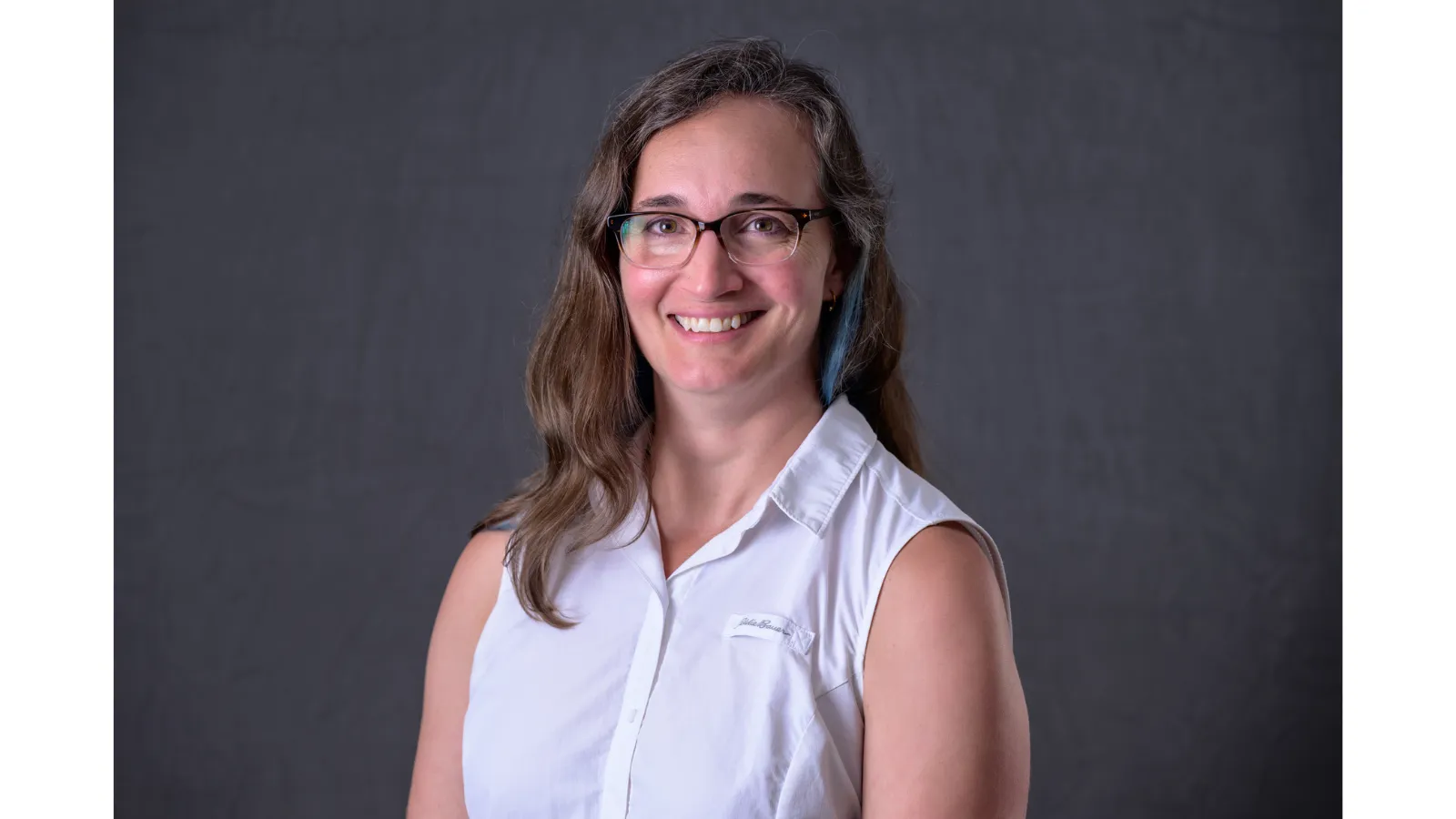
Physics Education Research Seminar: Eleanor Close, Texas State University
Supporting equitable student success and inclusive STEM community through a Learning Assistant Program
Event Details:
- Date: Thursday, May 14, 2026
- Time: 4:00 - 5:00 PM
- Location: 1080 Physics Research Building
- Faculty Host: Jackie Chini
Abstract
The Learning Assistant (LA) Model is a structure for near-peer instructional support that has demonstrated benefits across a wide range of courses and institutions. At Texas State University we launched our LA Program in 2012 in physics and in 2021 expanded the program into biology and chemistry with a five-year NSF HSI project. Our implementation of the LA Model is informed by the theory of Communities of Practice and is structured specifically to create a shared culture of mutual support. Students in LA-supported courses have both higher success rates (lower percentage of students receiving grades of D or F, or withdrawing) and increased content learning. LAs change their ways of learning and of being students as a result of their LA experience, and physics LAs describe positive impacts on their physics identity and sense of belonging to a supportive and collaborative community. In this talk I will describe the LA Model, the specifics of the TXST LA Program, and some of the positive outcomes we have seen for our STEM students and faculty.
Bio
Dr. Eleanor Close is a Professor of Physics at Texas State University and a physics education researcher. She co-directs the STEM Communities Learning Assistant Program at TXST, co-organizes regional and national workshops through the National Learning Assistant Alliance, and is currently PI of an NSF Noyce Scholarship project and Co-PI on an NSF IUSE. Her research interests include situated learning and identity development through communities of practice, particularly for multiply marginalized students; Learning Assistant program impacts on students, LAs, and faculty; and physics teacher preparation and professional development. She received her Physics M.S. from the University of Washington in 2003 and her Ed.D. in Curriculum & Instruction from Seattle Pacific University in 2009. Between receiving her B.A. in Physics from Bryn Mawr College and starting graduate school, she taught high school physics and physical science for three years in rural North Carolina, where she became science department chair by seniority after five months. In her non-work life, she co-parents three teenagers and gardens with native plants for local wildlife.